



Audit what you have
Catalogue, customers, order history, integrations and traffic. We tell you what carries across cleanly and what has to be rebuilt.
Shopify & Shopify Plus
Stores that launch quickly and sell properly here — with the Thai payment stack, LINE, COD and tax invoicing handled by a Bangkok team that has also built the Magento stores Shopify is often compared against.
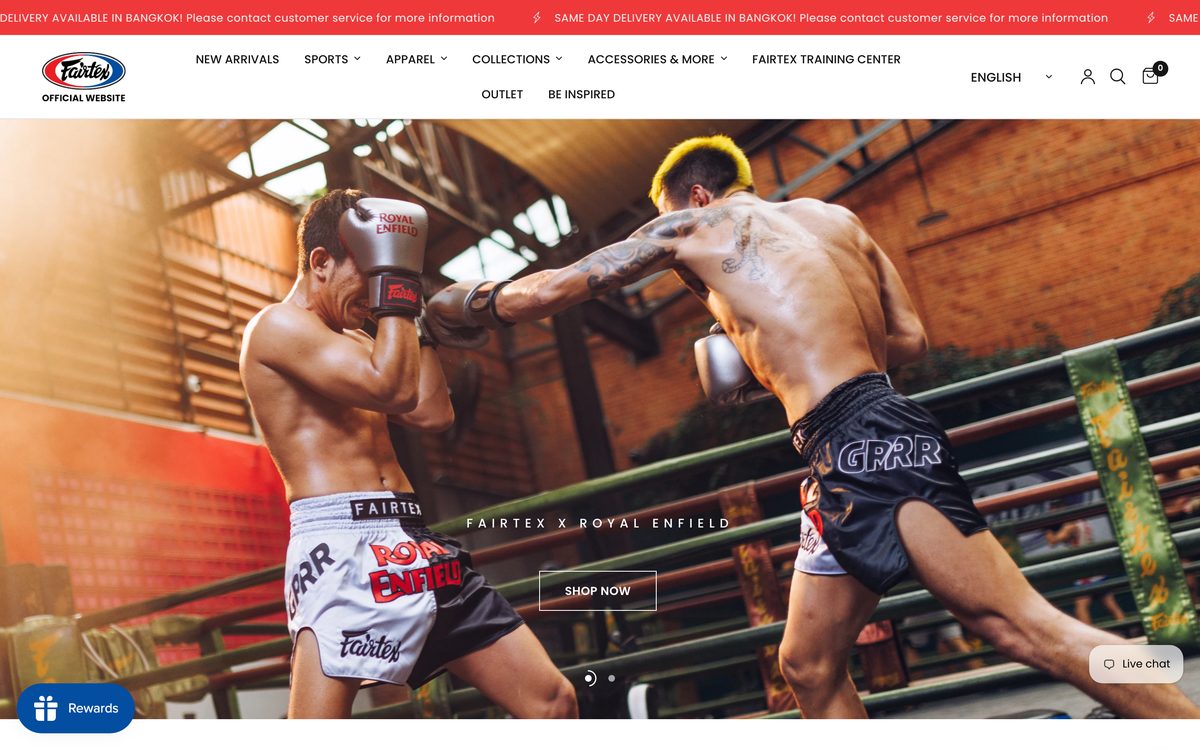
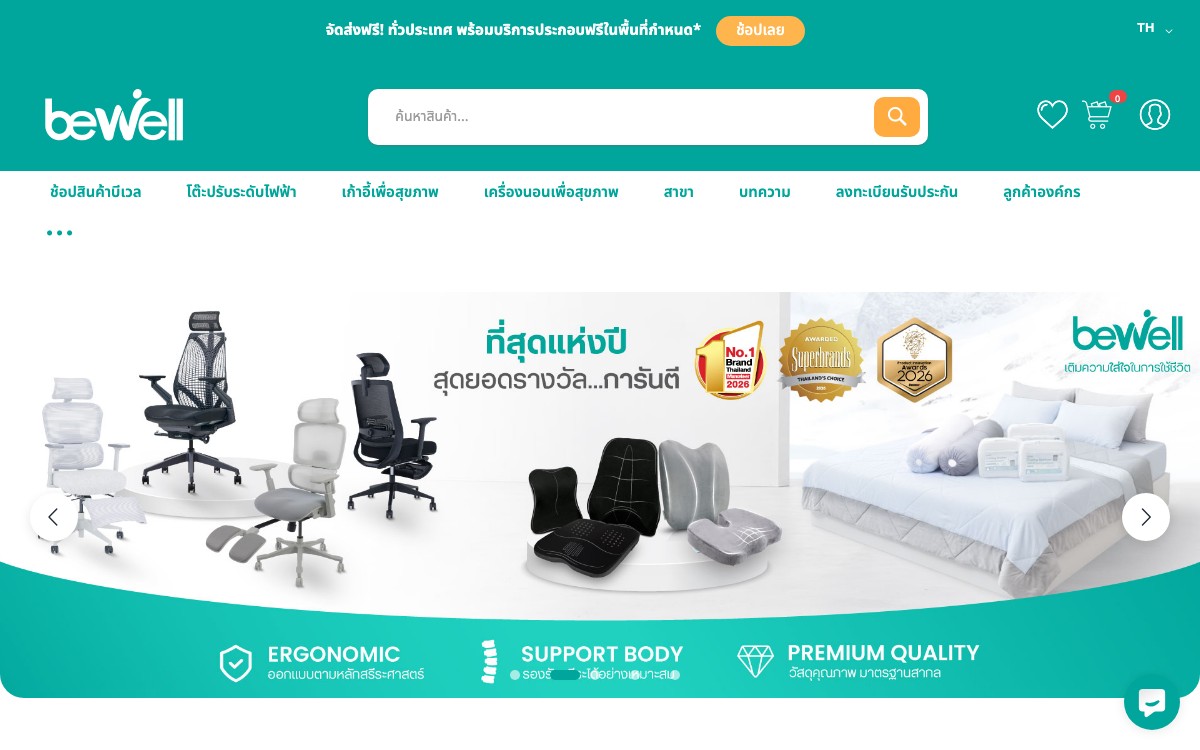

Projects delivered
Happy clients
Years of experience
Read this before you build
Shopify Payments is not available to Thai-registered merchants. That means every store here runs on a third-party gateway — and Shopify charges its own third-party transaction fee on top of whatever the gateway charges.
Most agencies discover this halfway through a build and treat it as a surprise. It is not a reason to avoid Shopify. It is a reason to design your payment mix on purpose, because it changes what every order actually costs you.
Shopify's own documentation confirms both the country restriction and that manual methods such as bank transfer and COD are exempt from its third-party transaction fee.
What we build
Launch-ready stores with products, payments, shipping and tax configured for Thailand — not a demo theme with your logo dropped on top.
Moving from Magento, WooCommerce or a custom build. Products, customers and order history carried across, with URLs redirected so rankings survive.
Bespoke storefronts built on Shopify's theme architecture, so your team can still edit content without calling a developer.
For brands that have outgrown the standard plan — checkout extensibility, B2B, multiple storefronts and higher-volume automation.
Connecting Shopify to your ERP, accounting, warehouse and marketing stack, and building custom apps when no listed one fits.
Finding where the checkout leaks and fixing it. Speed, product pages, cart and mobile flow — measured, not guessed.
Built for Thailand
2C2P, Omise, GB Prime Pay and other local providers connected to Shopify checkout.
QR and transfer flows, which also sidestep Shopify's third-party transaction fee.
COD configured properly, with the reconciliation and refusal handling it actually needs.
LINE contact on product and cart pages, plus order updates where Thai customers read them.
Company name, tax ID and branch collected at checkout instead of chased afterwards.
Both languages with native copy, using Shopify Markets rather than a bolted-on translator.
Migrating to Shopify
Most Shopify migrations we take on arrive from Magento or WooCommerce. The data is rarely the hard part — the redirects are, and they are what a cheap quote leaves out.
Catalogue, customers, order history, integrations and traffic. We tell you what carries across cleanly and what has to be rebuilt.
A page-by-page redirect map written before anything moves. This is what protects the rankings you already paid for.
Theme and functionality rebuilt on Shopify. Platform-specific features rarely port one-for-one, and pretending otherwise causes the pain later.
Products, variants, customers and orders migrated, then reconciled against the source rather than assumed correct.
Thai gateway, PromptPay, COD, shipping rates and VAT configured and tested with real transactions.
Go live, then monitor crawl errors, rankings and checkout completion closely for the first weeks.
Honest advice
In those cases Magento usually fits better. We build both, so the recommendation costs us nothing either way.
Shopify FAQ
No. Shopify Payments is not available to merchants based in Thailand, which surprises a lot of people partway through a build. You connect a third-party gateway such as 2C2P, Omise or GB Prime Pay instead. That works well, but it means Shopify's third-party transaction fee applies on top of the gateway's own fee — so the payment mix is worth designing deliberately rather than leaving to chance.
Shopify does not charge its third-party transaction fee on manual payment methods such as bank transfer and cash on delivery. Since both are still widely used here, offering them alongside card and PromptPay can genuinely lower your blended cost per order. We model this against your actual order mix rather than guessing.
A straightforward store using a well-chosen theme typically runs ฿50,000–120,000 for design, product setup, payments and shipping. Custom design, migration or integration with a back-office system generally starts from ฿150,000–300,000 and rises with scope. Shopify's own subscription is separate and paid directly to Shopify.
Yes — most often from Magento or WooCommerce. We move products, variants, customers and order history, rebuild the storefront, and write a redirect map so search rankings survive the move. The redirects are the part that gets skipped by cheaper quotes, and the part you feel afterwards.
Usually not at first. Plus makes sense when you need checkout customisation, B2B, several storefronts or higher-volume automation. It is a significant step up in subscription cost, so we will tell you honestly when the standard plan still covers what you are doing.
Yes. We integrate Shopify with ERP, accounting and warehouse systems through their APIs or middleware, syncing products, stock, pricing and orders. Where no listed app fits properly, we build a custom one rather than forcing an awkward workaround.
It has to. Most Thai ecommerce traffic is mobile, frequently on mid-range Android over mobile data. We build and test for that, because a checkout that only feels good on a desktop is a checkout that quietly loses orders.
Tell us what you sell and where you are selling it now. You will get a straight answer on platform, payments and cost — including if Shopify is the wrong choice.